Category: Abbreviations & Acronyms
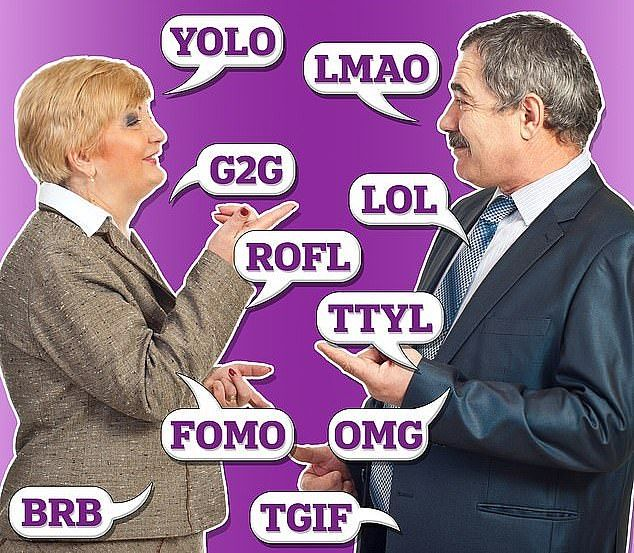
Have you ever received a text message that looked like a secret code?
Someone sends you “LOL, BRB, TTYL” and you understand one word but have no idea what the rest means. Or maybe you have seen “IDK,” “TBH,” “FR,” or “IMO” all over social media and wondered how everyone seems to know what they mean.
You are definitely not alone.
Texting abbreviations have become a normal part of everyday communication. They help people type faster, keep messages short, and add a casual feeling to conversations. You will see them in text messages, WhatsApp chats, Instagram comments, Facebook posts, TikTok captions, online games, emails, and even everyday conversations.
The interesting thing is that there are hundreds of these abbreviations, and new ones continue to appear. Some have been around for decades, while others became popular because of social media and internet culture.
To make things easier, this guide explains 100 common texting abbreviations and their meanings, along with examples of how people actually use them.
What Are Texting Abbreviations?
Texting abbreviations are shortened forms of words or phrases that people use when communicating through text. Instead of typing an entire sentence or phrase, you can use a few letters to communicate the same idea.
For example, instead of writing “I don’t know,” someone might simply type “IDK.”
Instead of saying “Talk to you later,” they may write “TTYL.”
These shortcuts are especially common in informal conversations. They are useful when you want to send a quick message without spending time typing every word.
Some abbreviations are made from the first letters of several words. Others are simply shortened versions of individual words.
100 Common Texting Abbreviations and Their Meanings
Here is a list of 100 abbreviations you are likely to encounter in texting and online conversations.
- LOL – Laughing Out Loud
Example: “That video was hilarious LOL.” - OMG – Oh My God / Oh My Gosh
Example: “OMG, I can’t believe you actually did it!” - BRB – Be Right Back
Example: “BRB, I need to answer the door.” - BTW – By The Way
Example: “BTW, don’t forget your keys.” - IDK – I Don’t Know
Example: “IDK what time the movie starts.” - TBH – To Be Honest
Example: “TBH, I really liked the old version better.” - TTYL – Talk To You Later
Example: “I’m busy right now. TTYL.” - FYI – For Your Information
Example: “FYI, the meeting has been moved to Friday.” - IMO – In My Opinion
Example: “IMO, that is the best restaurant in town.” - IMHO – In My Humble Opinion
Example: “IMHO, the second movie was better.” - OMG – Oh My God / Oh My Gosh
Example: “OMG, look at that!” - IRL – In Real Life
Example: “We’ve talked online, but we’ve never met IRL.” - DM – Direct Message
Example: “Send me a DM when you are free.” - PM – Private Message
Example: “You can PM me the details.” - ASAP – As Soon As Possible
Example: “Please send the document ASAP.” - JK – Just Kidding
Example: “Don’t worry, JK!” - NP – No Problem
Example: “Thanks for helping me.” “NP!” - TY – Thank You
Example: “TY for sending that to me.” - THX – Thanks
Example: “THX for the information.” - YW – You’re Welcome
Example: “YW! Happy to help.” - PLS – Please
Example: “PLS send me the address.” - PLZ – Please
Example: “PLZ don’t forget.” - U – You
Example: “Are U coming tonight?” - R – Are
Example: “R you ready?” - CU – See You
Example: “CU tomorrow!” - CYA – See You / See Ya
Example: “CYA later!” - GN – Good Night
Example: “GN, sleep well.” - GM – Good Morning
Example: “GM! Hope you have a great day.” - G2G – Got To Go
Example: “G2G, my bus is here.” - GTG – Got To Go / Good To Go
Example: “GTG now. Talk later.” - TTYS – Talk To You Soon
Example: “I have to leave now. TTYS.” - WYD – What You Doing? / What Are You Doing?
Example: “WYD tonight?” - WBU – What About You?
Example: “I’m doing fine. WBU?” - HBU – How About You?
Example: “I’m going shopping. HBU?” - HMU – Hit Me Up
Example: “HMU when you get home.” - LMK – Let Me Know
Example: “LMK if you want to come with us.” - OMW – On My Way
Example: “OMW, I’ll be there in ten minutes.” - ETA – Estimated Time of Arrival
Example: “What’s your ETA?” - ATM – At The Moment
Example: “I can’t talk ATM.” - B4 – Before
Example: “Call me B4 you leave.” - L8R – Later
Example: “See you L8R.” - 2DAY – Today
Example: “Are you free 2DAY?” - 2MORO – Tomorrow
Example: “I’ll call you 2MORO.” - 4U – For You
Example: “I have something 4U.” - 4EVER – Forever
Example: “Friends 4EVER.” - FR – For Real
Example: “That was the best concert FR.” - ONG – On God
Example: “That was the funniest thing ever ONG.” - NGL – Not Gonna Lie
Example: “NGL, I was nervous.” - IKR – I Know, Right?
Example: “That movie was amazing!” “IKR?” - IDC – I Don’t Care
Example: “IDC where we eat.” - ILY – I Love You
Example: “ILY so much!” - ILU – I Love You
Example: “Goodnight, ILU.” - ILYSM – I Love You So Much
Example: “ILYSM!” - XOXO – Hugs and Kisses
Example: “Goodnight! XOXO.” - HBD – Happy Birthday
Example: “HBD! Hope you have an amazing day.” - HB – Hurry Back / Happy Birthday, depending on context
Example: “HB, we miss you!” - GL – Good Luck
Example: “GL with your exam tomorrow.” - HF – Have Fun
Example: “Enjoy the party! HF!” - TC – Take Care
Example: “It was nice talking to you. TC.” - OMDB – Over My Dead Body
Example: “You’re borrowing my car? OMDB!” - SMH – Shaking My Head
Example: “You forgot your wallet again? SMH.” - FOMO – Fear Of Missing Out
Example: “Everyone is going to the party, and I have serious FOMO.” - YOLO – You Only Live Once
Example: “I’m going on the trip. YOLO!” - GOAT – Greatest Of All Time
Example: “She’s the GOAT of tennis.” - GOATED – Extremely Great / Among the Best
Example: “That performance was absolutely GOATED.” - W – Win / Something Positive
Example: “You passed your exam? W!” - L – Loss / Something Negative
Example: “Missing the bus was an L.” - WTF – What The F***
Example: “WTF just happened?” - WTH – What The Heck / What The Hell
Example: “WTH is going on?” - TF – The F***
Example: “Why TF is it raining again?” - AF – As F***, used for emphasis
Example: “That movie was funny AF.” - BS – Bull**** / Nonsense
Example: “I don’t believe that story. It’s BS.” - BTW – By The Way
Example: “BTW, I left your book on the table.” - BC – Because
Example: “I stayed home BC I was tired.” - CUZ – Because
Example: “I couldn’t come CUZ I was busy.” - DM – Direct Message
Example: “DM me if you want the details.” - RN – Right Now
Example: “I’m busy RN.” - DW – Don’t Worry
Example: “DW, everything is fine.” - NP – No Problem
Example: “Thanks for waiting.” “NP.” - OML – Oh My Lord
Example: “OML, that was close!” - OFC – Of Course
Example: “OFC I’ll help you.” - DEF – Definitely
Example: “I’ll DEF be there.” - PROB – Probably
Example: “I’ll PROB stay home tonight.” - W8 – Wait
Example: “W8 for me!” - MSG – Message
Example: “I sent you a MSG.” - PIC – Picture
Example: “Send me a PIC.” - PPL – People
Example: “A lot of PPL were there.” - TXT – Text
Example: “TXT me when you arrive.” - BFF – Best Friends Forever
Example: “We’ve been BFFs since school.” - BFFL – Best Friends For Life
Example: “You’re my BFFL.” - BF – Boyfriend
Example: “Her BF picked her up.” - GF – Girlfriend
Example: “His GF is coming too.” - SO – Significant Other
Example: “I’m going with my SO.” - Bestie – Best Friend
Example: “Hey bestie, how are you?” - LMFAO – Laughing My F***ing Ass Off
Example: “That comment had me LMFAO.” - LMAO – Laughing My Ass Off
Example: “LMAO, I can’t stop laughing.” - ROFL – Rolling On the Floor Laughing
Example: “ROFL, that’s hilarious.” - LOLZ – A playful version of LOL
Example: “LOLZ, I wasn’t expecting that.” - JK – Just Kidding
Example: “You’re terrible! JK.” - ICYMI – In Case You Missed It
Example: “ICYMI, here’s yesterday’s announcement.” - TL;DR – Too Long; Didn’t Read
Example: “TL;DR: The meeting was canceled.” - FAQ – Frequently Asked Questions
Example: “Check the FAQ before contacting support.” - AKA – Also Known As
Example: “New York, AKA the Big Apple.” - DIY – Do It Yourself
Example: “I found a great DIY room makeover idea.” - POV – Point Of View
Example: “POV: You finally finish your exams.” - OOTD – Outfit Of The Day
Example: “Posting my OOTD before heading out.” - GR8 – Great
Example: “That sounds GR8!” - MSG – Message
Example: “Did you get my MSG?” - VIP – Very Important Person
Example: “They have a VIP section at the event.” - RSVP – Répondez s’il vous plaît / Please Respond
Example: “Don’t forget to RSVP for the wedding.” - ETA – Estimated Time of Arrival
Example: “What’s your ETA?”
Why Do People Use Texting Abbreviations?
The simplest answer is convenience.
Typing a long sentence on a phone can take more effort than typing a few letters. Abbreviations make communication faster, especially when someone is in a hurry.
But speed is not the only reason.
Texting abbreviations also create a casual and friendly tone. Writing “LOL” can make a message feel lighter than simply responding with a serious sentence. Writing “TBH” can signal that someone is about to give an honest opinion. Saying “FR” can add emphasis to what someone is saying.
There is also a cultural side to internet language. Certain abbreviations have become part of online identity. People use them because they are familiar, funny, expressive, or simply because everyone around them uses them.
Texting Abbreviations Can Change the Tone of a Message
One important thing to remember is that an abbreviation is not always just a shortcut. Sometimes it changes the feeling of a message.
For example, compare these two replies:
“Okay.”
“OK LOL.”
The first one may sound serious or even slightly cold depending on the conversation. The second one feels more relaxed.
Similarly, saying “IDK” can sound casual, while “I don’t know” may feel more complete or serious.
This is why understanding texting abbreviations involves more than memorizing their definitions. You also need to understand the situation in which they are being used.
Are Texting Abbreviations Appropriate Everywhere?
Not necessarily.
Texting abbreviations are usually perfect for conversations with friends, family members, classmates, or people you already communicate with casually.
However, you should be more careful in professional situations.
For example, sending “LOL” to a close friend is completely normal. Sending “LOL” to a potential employer in a formal job application might not create the same impression.
The same applies to abbreviations such as “WTF,” “AF,” and other expressions containing profanity. They may be common online, but they are not appropriate for every audience.
When writing a formal email, business proposal, school assignment, application, or official document, it is usually better to use complete words unless the abbreviation is widely accepted in that particular context.
Texting Abbreviations vs. Acronyms
People often use the words abbreviation and acronym as if they mean exactly the same thing, but there is a small difference.
An abbreviation is any shortened form of a word or phrase. For example, “ASAP” is a shortened form of “as soon as possible.”
An acronym is generally formed from the initial letters of a series of words and is often pronounced as a word. “NASA,” for example, is an acronym.
In everyday internet conversations, however, people often use “texting abbreviations” as a broad term for these different types of shortcuts.
How to Learn Texting Abbreviations Naturally
You do not have to memorize all 100 abbreviations at once.
Start with the ones you see most often. Words such as LOL, OMG, IDK, BTW, TBH, BRB, FYI, TTYL, FR, NGL, and LMK are good places to begin.
Then pay attention to context.
If someone writes, “WYD?” they are probably asking what you are doing. If they write “LMK,” they want you to let them know. If they say “FR,” they are emphasizing that they are being serious or genuine.
After seeing an abbreviation several times, its meaning usually becomes much easier to remember.
What If You Don’t Understand an Abbreviation?
Don’t be embarrassed to ask.
Internet slang changes constantly, and even people who spend a lot of time online can encounter abbreviations they have never seen before.
You can simply ask, “What does that mean?” or “What does that abbreviation stand for?”
Most people will be happy to explain it.
Context can also provide clues. If someone says, “I’m leaving RN,” the surrounding conversation may help you understand that “RN” probably means “right now.”
Why Texting Language Keeps Changing
Language has always changed. Texting and social media have simply made that change happen faster.
New platforms create new habits. A phrase that becomes popular on TikTok may spread to Instagram, WhatsApp, Discord, gaming communities, and regular text messages within a short period.
Some abbreviations disappear after a few years, while others become so common that people forget they were ever considered internet slang.
That’s one of the fascinating things about language. People constantly find new ways to express humor, emotion, agreement, disagreement, excitement, and sarcasm.
A Quick Tip for Using Texting Abbreviations
The best rule is simple: match your language to your audience.
If you’re chatting with your best friend, abbreviations can make your conversation quick and natural. If you’re talking to someone who may not understand internet slang, using too many shortcuts can make your message confusing.
And if you’re writing something formal, complete words are usually the safer choice.
You also don’t need to fill every message with abbreviations. A message such as “LOL OMG BTW IDK FR TBH” may technically contain familiar expressions, but it can become difficult to read.
Good communication is not about using as many abbreviations as possible. It’s about making sure the other person understands what you mean.
Final Thoughts
Texting abbreviations are now a normal part of modern communication. From classic shortcuts such as LOL, BRB, BTW, and IDK to newer internet expressions such as FR, NGL, GOAT, and W, these shortened expressions help people communicate quickly and casually.
Learning them can make texting, social media, online communities, and digital conversations much easier to understand.
At the same time, context matters. An abbreviation that sounds funny between friends might not be appropriate in a professional email. Some abbreviations are harmless and friendly, while others contain slang or profanity.
So, don’t worry about knowing every abbreviation immediately. Start with the common ones, watch how people use them, and learn their meanings naturally through context.
Before long, messages that once looked like a secret language will start making perfect sense.
Quick Definition
Texting abbreviations are shortened versions of words or phrases used in text messages, social media, chats, and online conversations. They make communication faster, shorter, and often more casual.
Some of the most common examples include: LOL (Laughing Out Loud), OMG (Oh My God), BRB (Be Right Back), BTW (By The Way), IDK (I Don’t Know), TBH (To Be Honest), TTYL (Talk To You Later), FYI (For Your Information), IMO (In My Opinion), FR (For Real), NGL (Not Gonna Lie), and LMK (Let Me Know).