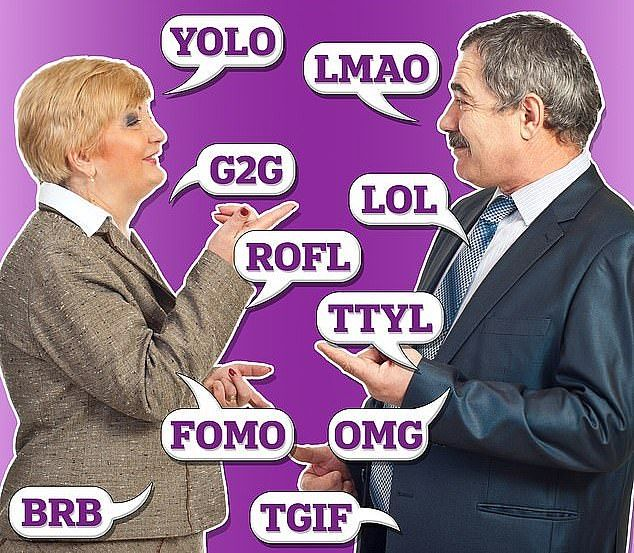
Category: Abbreviations & Acronyms
Have you ever opened a text message, Instagram comment, WhatsApp chat, or social media post and felt like you were reading a completely different language?
You see something like “IDK TBH, that was funny AF LOL” and think, “Wait… what does all of that mean?”
You’re not alone.
Social media has created a whole vocabulary of shortened words and phrases. People use acronyms because they are quick, convenient, expressive, and sometimes just more fun than typing out an entire sentence. Some have been around since the early days of texting, while others became popular through social media platforms, online communities, gaming, and internet culture.
The good news is that you don’t need to memorize every piece of internet slang to understand modern conversations. Once you learn the most common acronyms, many social media posts and messages become much easier to understand.
In this guide, we’ll look at 100 common texting and social media acronyms you should know, what they mean, and how people commonly use them.
What Are Texting and Social Media Acronyms?
An acronym is a shortened form of a phrase, usually created from the first letters of the words in that phrase.
For example, LOL stands for Laughing Out Loud, while BRB means Be Right Back.
On social media, these shortcuts allow people to communicate quickly without typing long phrases. They are especially common in casual conversations, comments, captions, group chats, and online communities.
Some acronyms are straightforward, while others can be confusing if you’ve never encountered them before. That’s why context is important.
100 Common Texting and Social Media Acronyms
Let’s get into the list. Here are 100 acronyms worth knowing if you spend time texting or using social media.
- LOL – Laughing Out Loud
Used when something is funny or amusing.
Example: “That video was hilarious LOL.”
-
OMG – Oh My God / Oh My Gosh
Used to express surprise, excitement, shock, or disbelief.
Example: “OMG, I can’t believe you won!”
-
BRB – Be Right Back
Used when someone is temporarily leaving a conversation.
Example: “BRB, someone is calling me.”
-
BTW – By The Way
Used when adding another piece of information.
Example: “BTW, don’t forget your appointment.”
-
IDK – I Don’t Know
One of the most common ways to say that you don’t know something.
Example: “IDK what time they’ll arrive.”
-
TBH – To Be Honest
Often used before sharing an honest opinion or feeling.
Example: “TBH, I really enjoyed the movie.”
-
TTYL – Talk To You Later
Used when ending a conversation temporarily.
Example: “I have to go now. TTYL!”
-
FYI – For Your Information
Used to give someone useful information.
Example: “FYI, the event starts at 7 p.m.”
-
IMO – In My Opinion
Used to introduce a personal opinion.
Example: “IMO, this is the best option.”
-
IMHO – In My Humble Opinion
A variation of IMO that can make an opinion sound slightly more modest or playful.
Example: “IMHO, the original version was better.”
- IRL – In Real Life
Example: “We’ve talked online but never met IRL.”
- DM – Direct Message
Example: “DM me the details.”
- PM – Private Message
Example: “Send me a PM if you’re interested.”
- ASAP – As Soon As Possible
Example: “Please reply ASAP.”
- JK – Just Kidding
Example: “I’m never talking to you again… JK!”
- NP – No Problem
Example: “Thanks for helping.” “NP!”
- TY – Thank You
Example: “TY for checking on me.”
- YW – You’re Welcome
Example: “YW! Glad I could help.”
- WYD – What You Doing? / What Are You Doing?
Example: “WYD this evening?”
- WBU – What About You?
Example: “I’m doing great. WBU?”
- HBU – How About You?
Example: “I’m staying home. HBU?”
- HMU – Hit Me Up
Example: “HMU when you’re free.”
- LMK – Let Me Know
Example: “LMK if you want to join us.”
- OMW – On My Way
Example: “OMW now!”
- ETA – Estimated Time of Arrival
Example: “What’s your ETA?”
- RN – Right Now
Example: “I can’t talk RN.”
- ATM – At The Moment
Example: “I’m busy ATM.”
- FR – For Real
Used to emphasize that you’re serious or agree strongly.
Example: “That restaurant is amazing FR.”
- NGL – Not Gonna Lie
Example: “NGL, I was nervous.”
- IKR – I Know, Right?
Example: “That weather is crazy.” “IKR?”
- IDC – I Don’t Care
Example: “IDC where we eat.”
- ILY – I Love You
Example: “ILY!”
- ILYSM – I Love You So Much
Example: “ILYSM. Thank you for everything.”
- XOXO – Hugs and Kisses
Example: “Goodnight, XOXO.”
- HBD – Happy Birthday
Example: “HBD! Have an amazing day.”
- GL – Good Luck
Example: “GL with your exam!”
- HF – Have Fun
Example: “Have fun at the party! HF!”
- TC – Take Care
Example: “Good talking to you. TC.”
- SMH – Shaking My Head
Used to express disappointment, disbelief, or frustration.
Example: “You forgot your keys again? SMH.”
- FOMO – Fear Of Missing Out
Example: “Everyone is going to the party and I have serious FOMO.”
- YOLO – You Only Live Once
Example: “I’m going skydiving. YOLO!”
- GOAT – Greatest Of All Time
Example: “Many fans consider her the GOAT.”
- W – Win
Used online to describe something positive or successful.
Example: “You passed your exam? That’s a W!”
- L – Loss
Used to describe a failure, mistake, or disappointing situation.
Example: “Missing the bus was a big L.”
- WTF – What The F***
Used to express strong surprise, confusion, or frustration.
Example: “WTF just happened?”
- WTH – What The Heck / What The Hell
Example: “WTH is going on?”
- AF – As F***
Used to strongly emphasize an adjective.
Example: “That movie was funny AF.”
- BS – Bull**** / Nonsense
Example: “I don’t believe that. It’s BS.”
- OFC – Of Course
Example: “OFC I’ll help you.”
- DW – Don’t Worry
Example: “DW, everything will be fine.”
- OML – Oh My Lord
Example: “OML, that’s incredible!”
- ICYMI – In Case You Missed It
Commonly used when sharing news, posts, announcements, or previously published content.
Example: “ICYMI, here’s yesterday’s announcement.”
- TL;DR – Too Long; Didn’t Read
Often used before a short summary of a longer post.
Example: “TL;DR: The event has been postponed.”
- POV – Point Of View
Very common in social media captions and videos.
Example: “POV: You finally finish your exams.”
- OOTD – Outfit Of The Day
Example: “Posting today’s OOTD.”
- AMA – Ask Me Anything
Example: “I’m hosting an AMA tonight.”
- FAQ – Frequently Asked Questions
Example: “Check the FAQ before contacting support.”
- AKA – Also Known As
Example: “He’s AKA the fastest runner on the team.”
- DIY – Do It Yourself
Example: “I found a great DIY home project.”
- NSFW – Not Safe For Work
Used as a warning that content may be inappropriate for a workplace or public setting.
Example: “Warning: NSFW content.”
- SFW – Safe For Work
Example: “Don’t worry, the link is SFW.”
- DM me – Direct Message Me
Example: “If you’re interested, DM me.”
- ICYMI – In Case You Missed It
Example: “ICYMI, our new article is live.”
- PSA – Public Service Announcement
Used to draw attention to important information.
Example: “PSA: Remember to back up your files.”
- PS – Postscript
Used to add an extra thought at the end of a message.
Example: “PS: Don’t forget to call me.”
- FY – For You
Example: “I saved this FY.”
- FYP – For You Page
Especially associated with short-form social media content.
Example: “This video suddenly appeared on my FYP.”
- GRWM – Get Ready With Me
Commonly used for beauty, fashion, lifestyle, and preparation videos.
Example: “GRWM for my friend’s wedding.”
- OOTN – Outfit Of The Night
Example: “Here’s my OOTN for tonight’s event.”
- POV – Point Of View
Example: “POV: You wake up five minutes before class.”
- G2G – Got To Go
Example: “G2G, I’ll message you later.”
- GTG – Got To Go / Good To Go
The exact meaning depends on context.
Example: “GTG, see you tomorrow.”
- CU – See You
Example: “CU tomorrow!”
- CYA – See Ya
Example: “CYA later.”
- GN – Good Night
Example: “GN! Sleep well.”
- GM – Good Morning
Example: “GM everyone!”
- TYSM – Thank You So Much
Example: “TYSM for helping me.”
- THX – Thanks
Example: “THX for the update.”
- PLS – Please
Example: “PLS send me the address.”
- NP – No Problem
Example: “Sorry I’m late.” “NP.”
- LMFAO – Laughing My F***ing Ass Off
A stronger and more explicit version of LMAO.
Example: “That comment had me LMFAO.”
- LMAO – Laughing My Ass Off
Example: “LMAO, that’s so funny.”
- ROFL – Rolling On the Floor Laughing
Example: “ROFL, I wasn’t expecting that.”
- FRFR – For Real, For Real
Used to add extra emphasis to “for real.”
Example: “I’m tired FRFR.”
- ONG – On God
Used to emphasize sincerity or seriousness.
Example: “That was the best meal I’ve had ONG.”
- NVM – Never Mind
Example: “NVM, I found it.”
- IDC – I Don’t Care
Example: “IDC which movie we watch.”
- ILY – I Love You
Example: “ILY, Mom.”
- ILY2 – I Love You Too
Example: “ILY2!”
- BFF – Best Friends Forever
Example: “We’ve been BFFs for years.”
- BFFL – Best Friends For Life
Example: “You’re my BFFL.”
- BF – Boyfriend
Example: “Her BF is coming too.”
- GF – Girlfriend
Example: “His GF sent me the photo.”
- SO – Significant Other
Example: “I’m going with my SO.”
- IRL – In Real Life
Example: “We should meet IRL sometime.”
- AFK – Away From Keyboard
Common in gaming and online chats when someone is temporarily away.
Example: “I’m AFK for five minutes.”
- GG – Good Game
Frequently used after an online game.
Example: “GG everyone!”
- GLHF – Good Luck, Have Fun
Commonly used before an online game.
Example: “GLHF!”
- OP – Original Poster
Usually refers to the person who created a post or started a discussion.
Example: “The OP explained everything in the comments.”
- OOTD – Outfit Of The Day
Example: “Today’s OOTD is simple and comfortable.”
- AMA – Ask Me Anything
Example: “I’ll be doing an AMA this weekend.”
- ELI5 – Explain Like I’m 5
Used when asking someone to explain a complicated subject in very simple language.
Example: “ELI5: How does cryptocurrency work?”
- TIL – Today I Learned
Often used before sharing an interesting new fact.
Example: “TIL that octopuses have three hearts.”
- IIRC – If I Remember Correctly
Example: “IIRC, the store closes at 8.”
- AFAIK – As Far As I Know
Example: “AFAIK, the event is still happening.”
- IMO – In My Opinion
Example: “IMO, this design looks better.”
- IMHO – In My Humble Opinion
Example: “IMHO, this is the easiest solution.”
- TL;DR – Too Long; Didn’t Read
Example: “TL;DR: The company changed its policy.”
- NSFW – Not Safe For Work
Example: “The link may contain NSFW material.”
- DM – Direct Message
Example: “DM me if you want more information.”
Why Are Acronyms So Popular on Social Media?
One major reason is speed.
People scroll, type, reply, react, and move between conversations quickly. A few letters can replace an entire phrase, making communication faster.
But speed isn’t the only reason. Acronyms also make conversations feel more casual.
Imagine texting a friend:
“I am laughing out loud at this.”
That sounds perfectly fine, but most people would naturally type:
“LOL.”
It feels lighter and more conversational.
Social media has also helped certain acronyms become part of everyday culture. Expressions such as POV, FYP, GRWM, OOTD, GOAT, FOMO, and TL;DR are now recognizable far beyond traditional texting.
Some Acronyms Have More Than One Meaning
This is one of the reasons internet language can be confusing.
An acronym may have different meanings depending on the situation.
For example, ATM can mean “At The Moment” in a text message, but it can also refer to an automated teller machine in everyday life.
PM might mean “Private Message,” but it can also refer to the time of day.
OP can mean “Original Poster” on a social platform, while in another context it can have a completely different meaning.
This is why you should always consider the surrounding conversation before deciding what an acronym means.
Texting Acronyms Are Not Always Formal
Many of these acronyms are designed for casual communication.
Using “LOL” in a conversation with your friend is perfectly natural. Using “LOL” in a formal job application is probably not the best idea.
The same applies to stronger expressions such as WTF, AF, BS, and LMFAO. They are common online, but they can be considered inappropriate in professional or formal situations.
A good rule is to think about your audience before using an acronym. If you’re unsure whether the person will understand it, writing the phrase out completely is often safer.
How to Use Social Media Acronyms Naturally
You don’t have to use an acronym every time one is available.
In fact, using too many can make a message harder to read.
Imagine receiving a message that says:
“OMG LOL BTW IDK WTF RN TBH FR NGL.”
You might recognize every acronym individually, but the message could still feel exhausting to read.
The best approach is to use acronyms naturally. Use them when they make the conversation easier, shorter, or more expressive.
Popular Acronyms You Are Most Likely to See
If learning 100 acronyms feels like too much, start with the most common ones.
These are especially useful to remember:
- LOL – Laughing Out Loud
- OMG – Oh My God / Oh My Gosh
- BRB – Be Right Back
- BTW – By The Way
- IDK – I Don’t Know
- TBH – To Be Honest
- FR – For Real
- NGL – Not Gonna Lie
- LMK – Let Me Know
- WYD – What You Doing?
- FYI – For Your Information
- TTYL – Talk To You Later
- POV – Point Of View
- DM – Direct Message
- FOMO – Fear Of Missing Out
Why Understanding These Acronyms Matters
Knowing common acronyms can help you feel more comfortable online.
You may encounter them in comments, group chats, online communities, customer messages, social media captions, gaming conversations, and even workplace communication.
More importantly, understanding these expressions helps you understand tone.
For example, “TBH” often signals that someone is about to give an honest opinion. “LOL” can soften a statement or show that something is meant humorously. “SMH” can indicate frustration or disbelief, while “FR” often adds emphasis.
So you’re not simply learning definitions. You’re learning how people communicate emotion and attitude online.
Final Thoughts
Texting and social media acronyms can seem confusing at first, especially when you come across several unfamiliar ones in the same conversation. But once you learn the common expressions, they become much easier to understand.
From LOL and OMG to TBH, FR, NGL, POV, FOMO, GOAT, and TL;DR, these shortcuts have become an important part of online communication.
Remember that internet language is always changing. New acronyms can become popular, while older ones may slowly disappear. You don’t need to know every new expression immediately. Even experienced social media users sometimes have to look up a new acronym.
The most important thing is context. Pay attention to how an acronym is being used, who is using it, and what the conversation is about.
And when in doubt, simply ask. There’s no shame in saying, “What does that mean?”
After all, language is supposed to help people understand each other—not make conversations feel like a puzzle.
Quick Reference
Texting and social media acronyms are shortened forms of words or phrases commonly used in digital communication. They help people communicate quickly and casually in text messages, comments, captions, group chats, and online communities.
Some of the most useful ones to remember are: LOL, OMG, BRB, BTW, IDK, TBH, FYI, TTYL, FR, NGL, LMK, WYD, POV, FOMO, GOAT, DM, TL;DR, and SMH.